
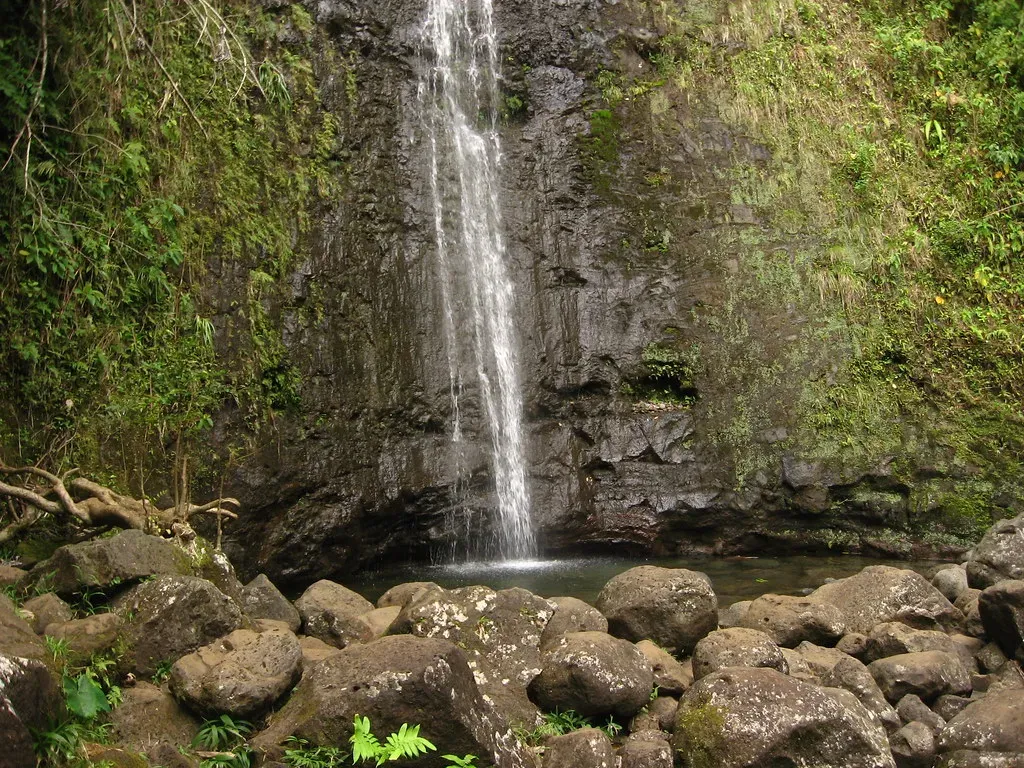
Located five miles from Waikiki, this 1.6-mile round-trip trail routes hikers past ancient banyan trees and dense bamboo groves. The path concludes at a spectacular 150-foot waterfall cascading down a sheer rock face into a mist-shrouded pool.
Find Guided ToursManoa Falls is a 150-foot waterfall located in the Koolau Mountains on the southeast corner of Honolulu, Oahu. The surrounding Manoa Valley is a tropical rainforest ecosystem known for its deep valleys, towering mountain faces, and saw-tooth ridges. Because the area experiences high precipitation almost daily, it has earned the nickname "Rainbow Valley." This wet climate supports a dense jungle landscape filled with giant banyan trees, bamboo groves, and native plants like Hau, Mamaki, and Ekaha ferns.
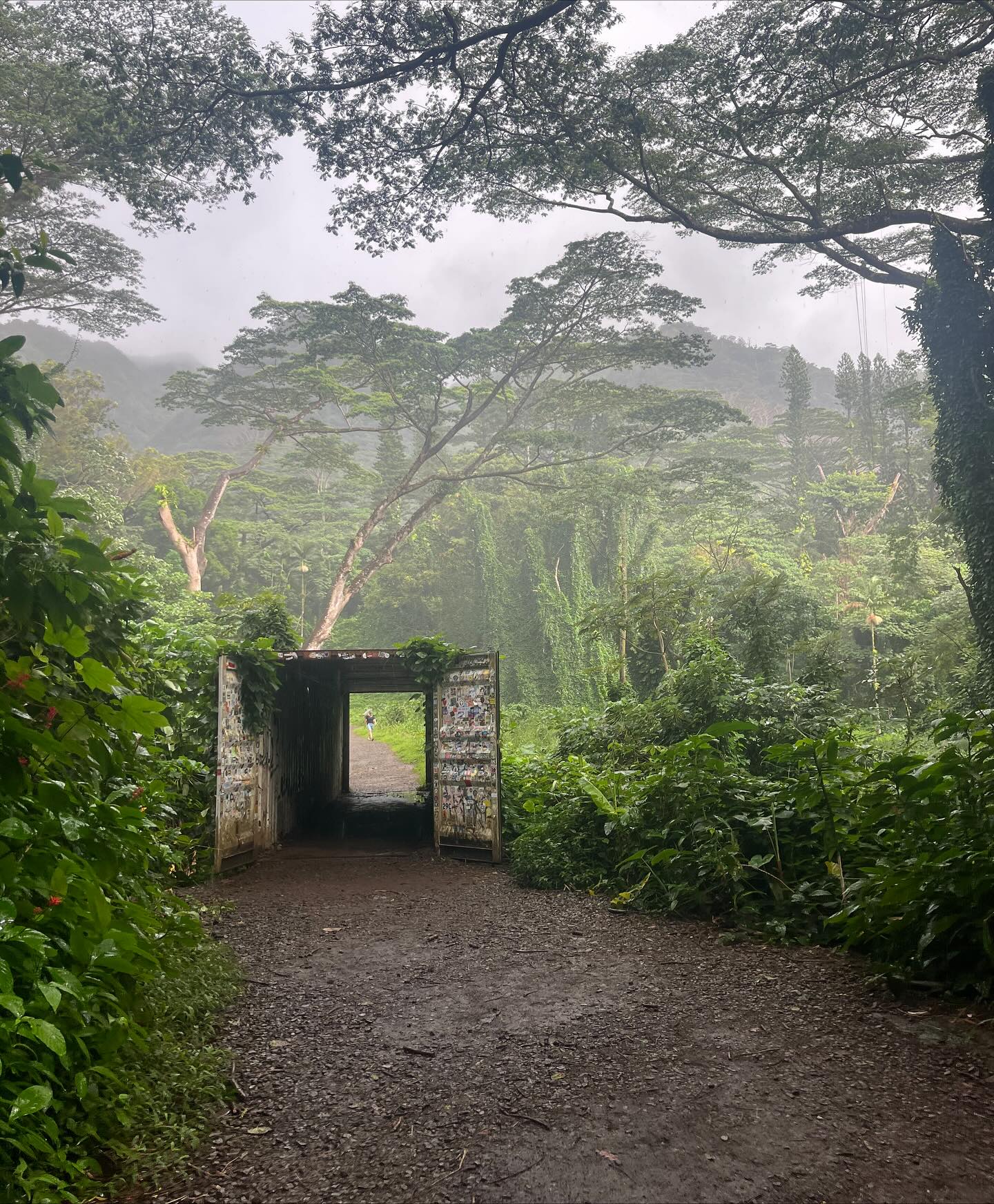
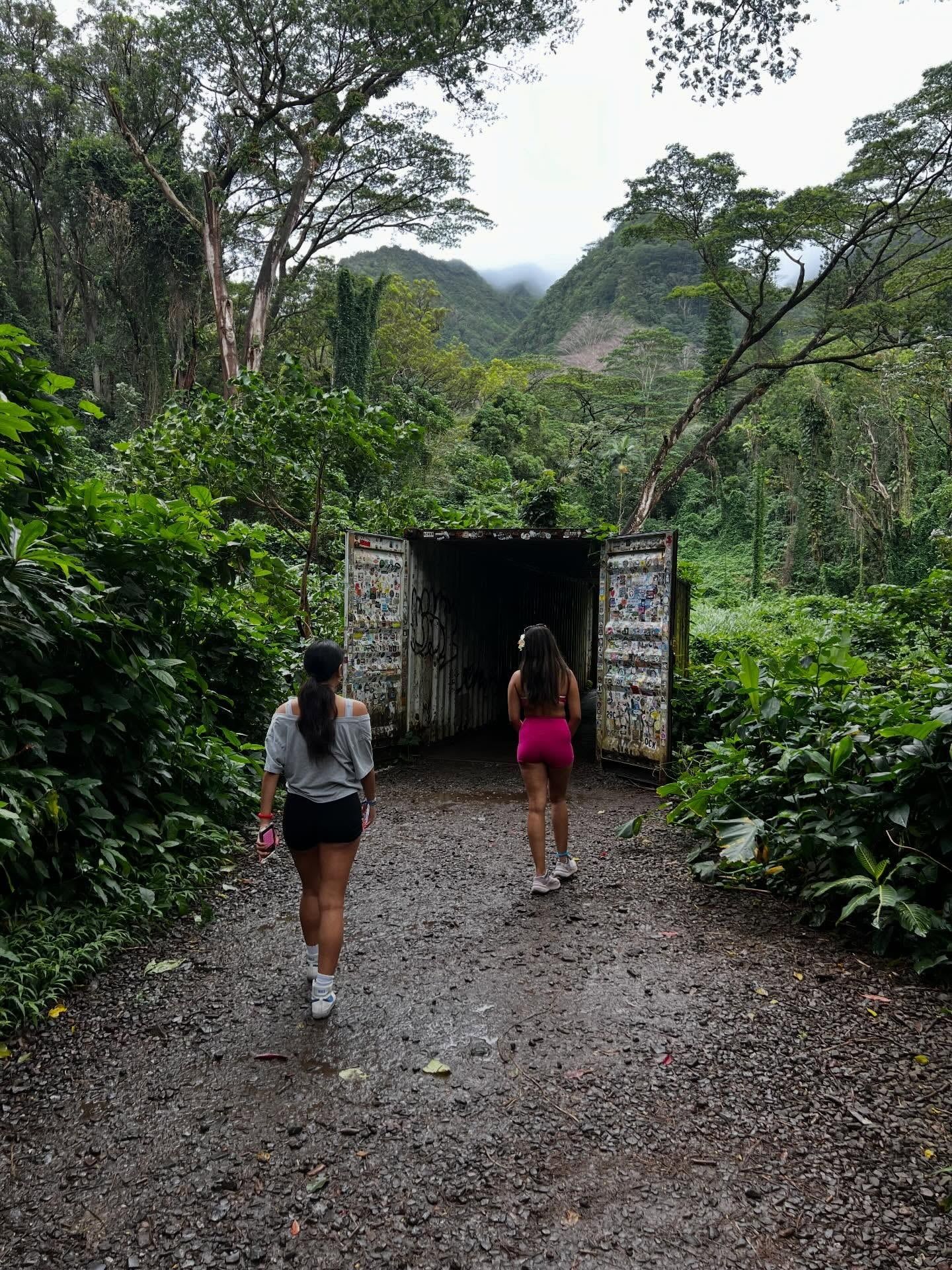
Geologically, the valley was formed by a volcanic eruption. Over thousands of years, steady erosion from a mountain stream carved the sheer rock face to create the 150-foot cascade. Today, visitors reach the waterfall via a 1.6-mile round-trip trail that gains approximately 800 feet in elevation. A major reconstruction project between 2019 and 2021 hardened the uneven terrain and added a modern container bridge to improve safety along the route.
Ancient Hawaiians considered Manoa Valley a sacred place. They believed that supernatural beings and gods inhabited the region, viewing the waterfall itself as a doorway to the divine. The fertile lands held significant agricultural value for Native Hawaiians, who historically cultivated taro in the area. Early Hawaiians also used the original paths for hunting, bathing, and gathering essential materials, such as wood for canoes, bark for sandals, and tree sap for medicinal purposes.
Western settlers began developing the valley in the 19th century, leading to the creation of a dedicated scenic trail in the early 20th century to accommodate growing tourism. In modern times, the striking prehistoric appearance of the rainforest has brought the location global recognition. The trail and its surrounding foliage have served as a filming location for major Hollywood productions, including Jurassic Park, Catching Fire, and the television series Lost.
Discover the full history and cultural significance on our About page.
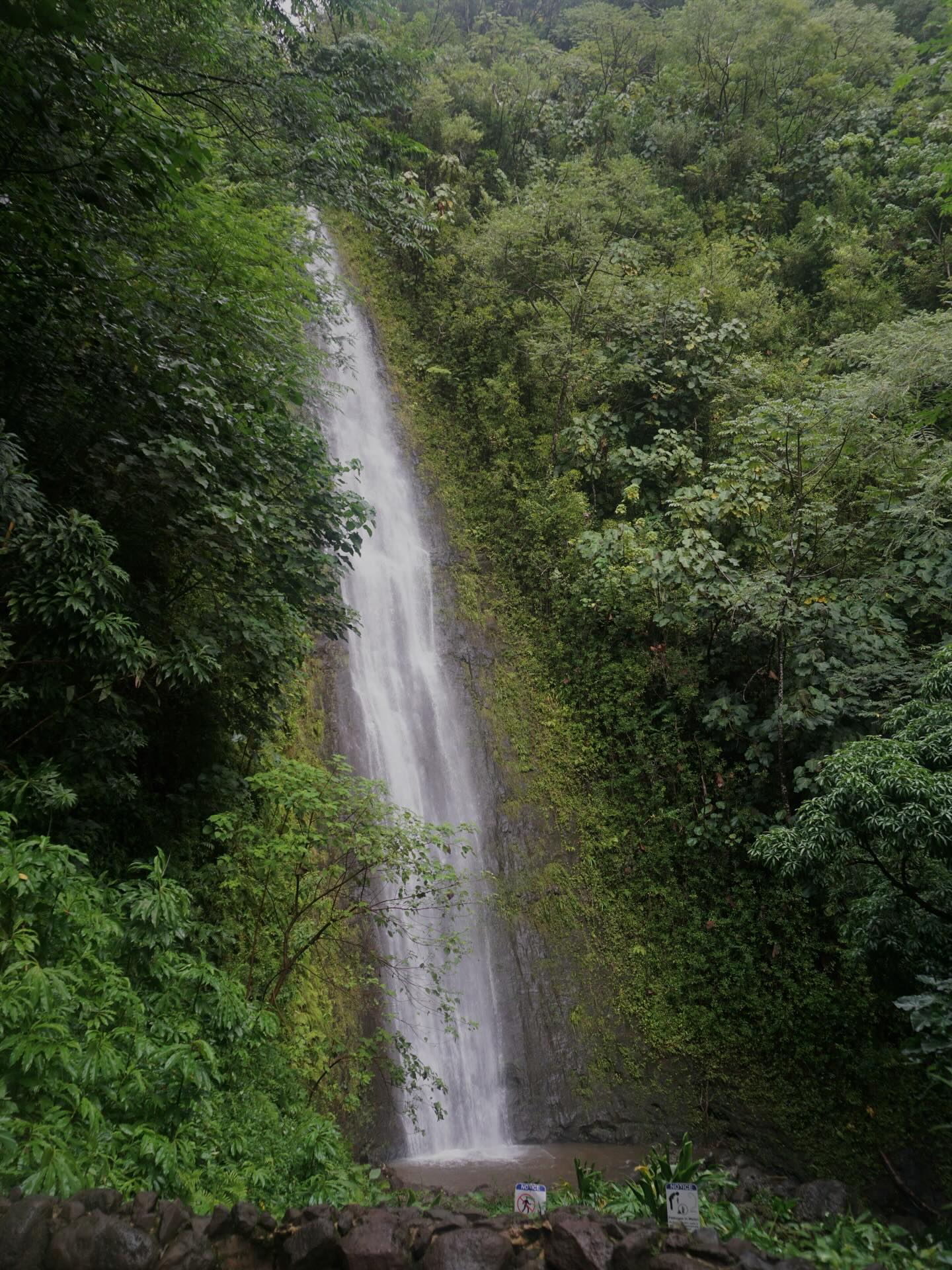
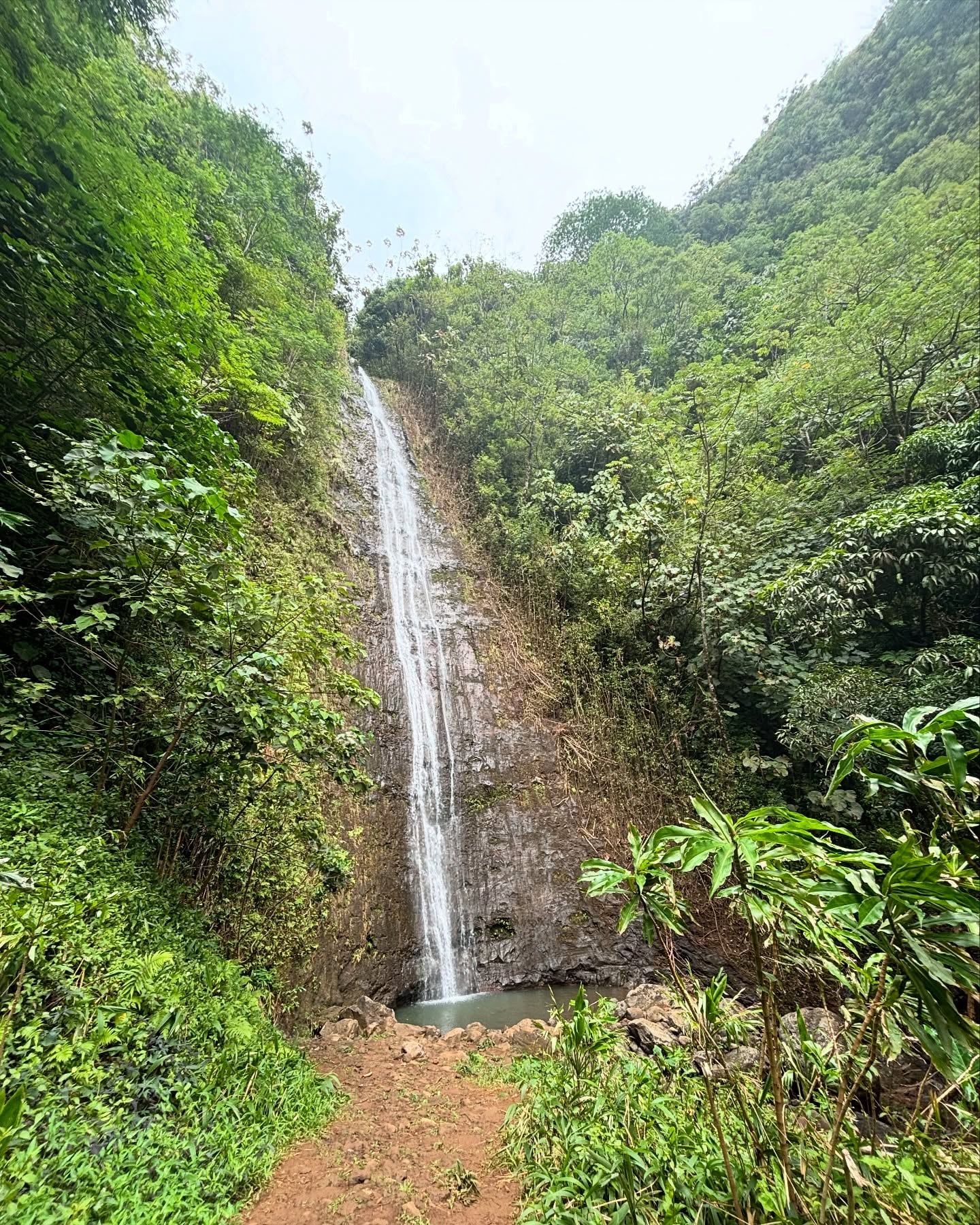
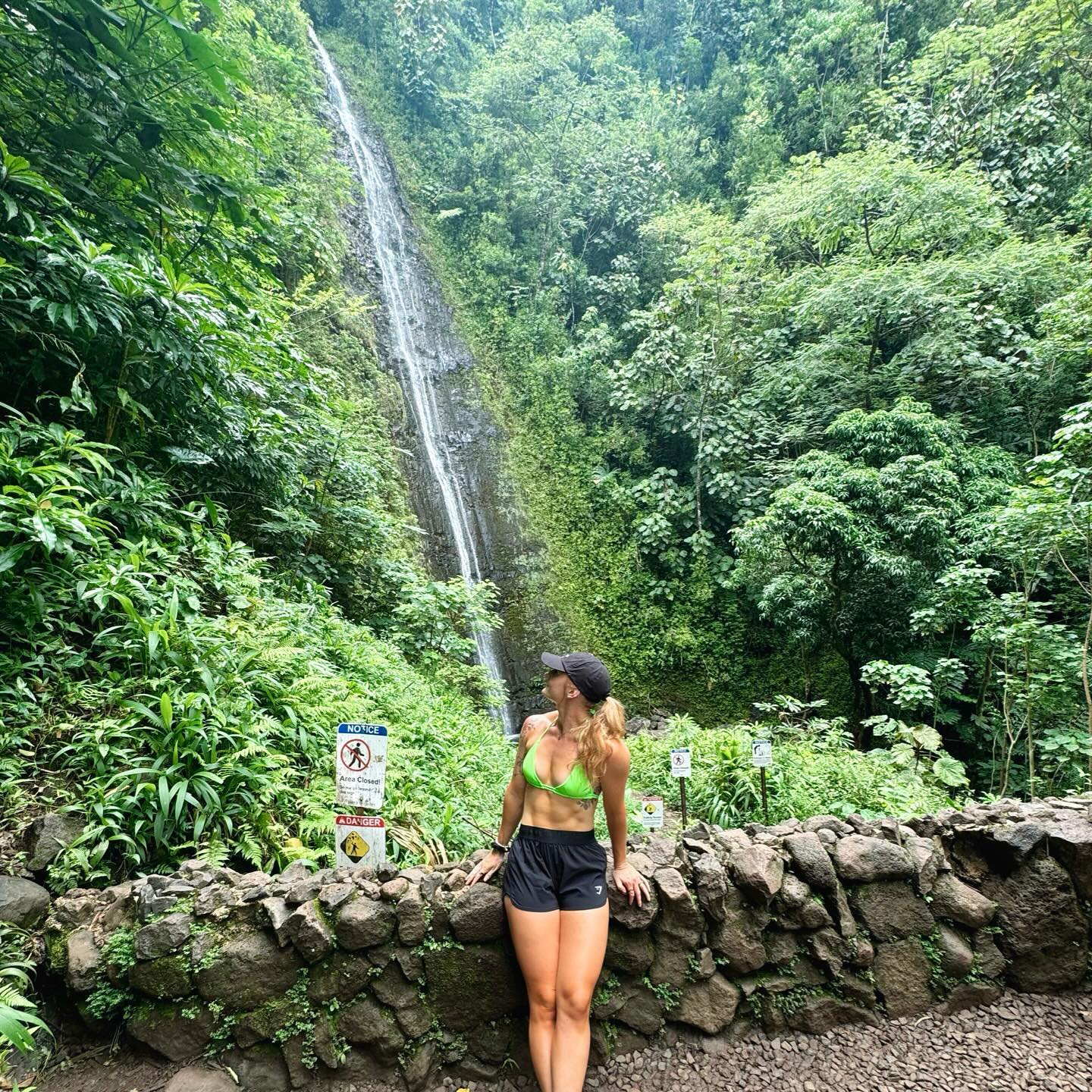
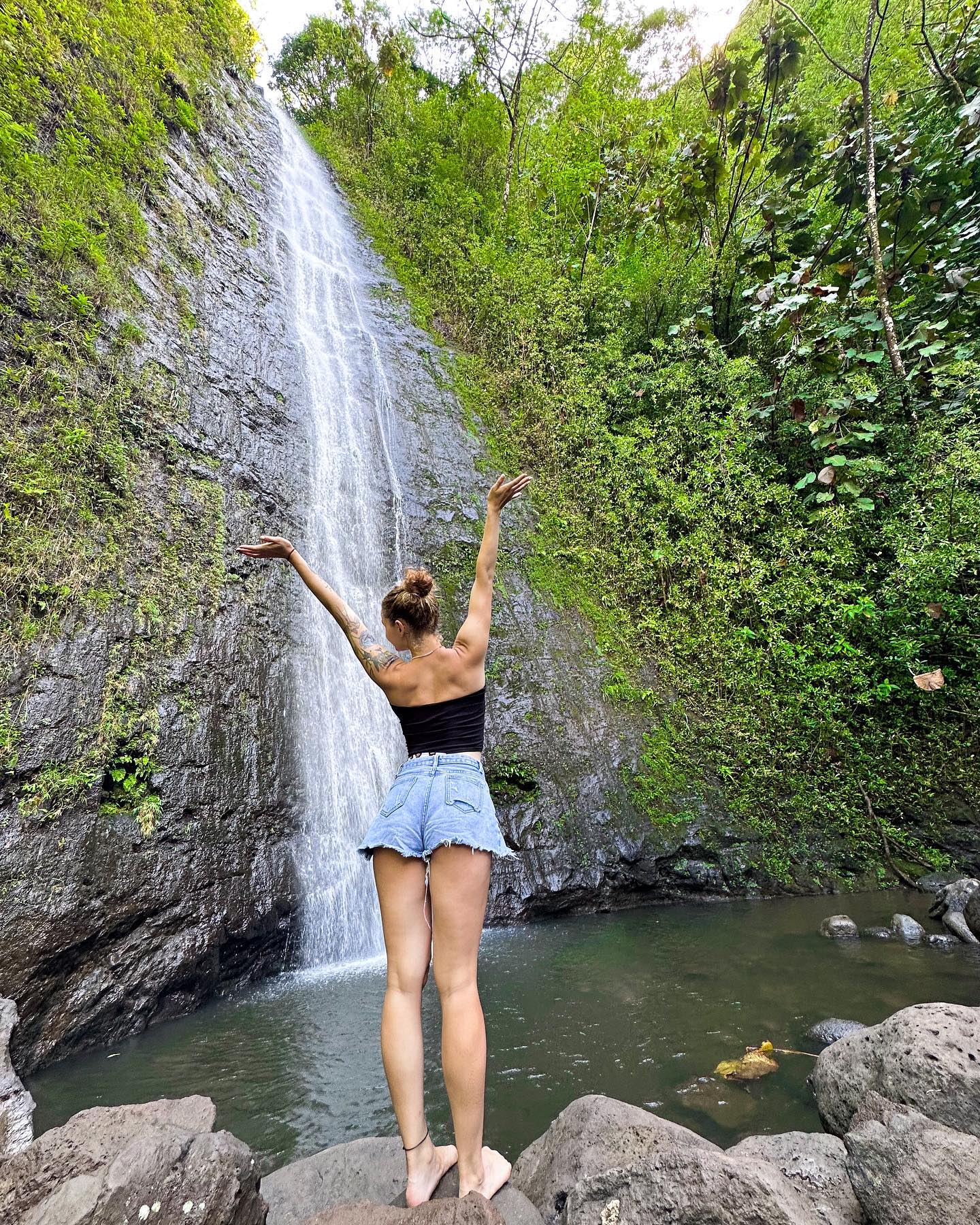
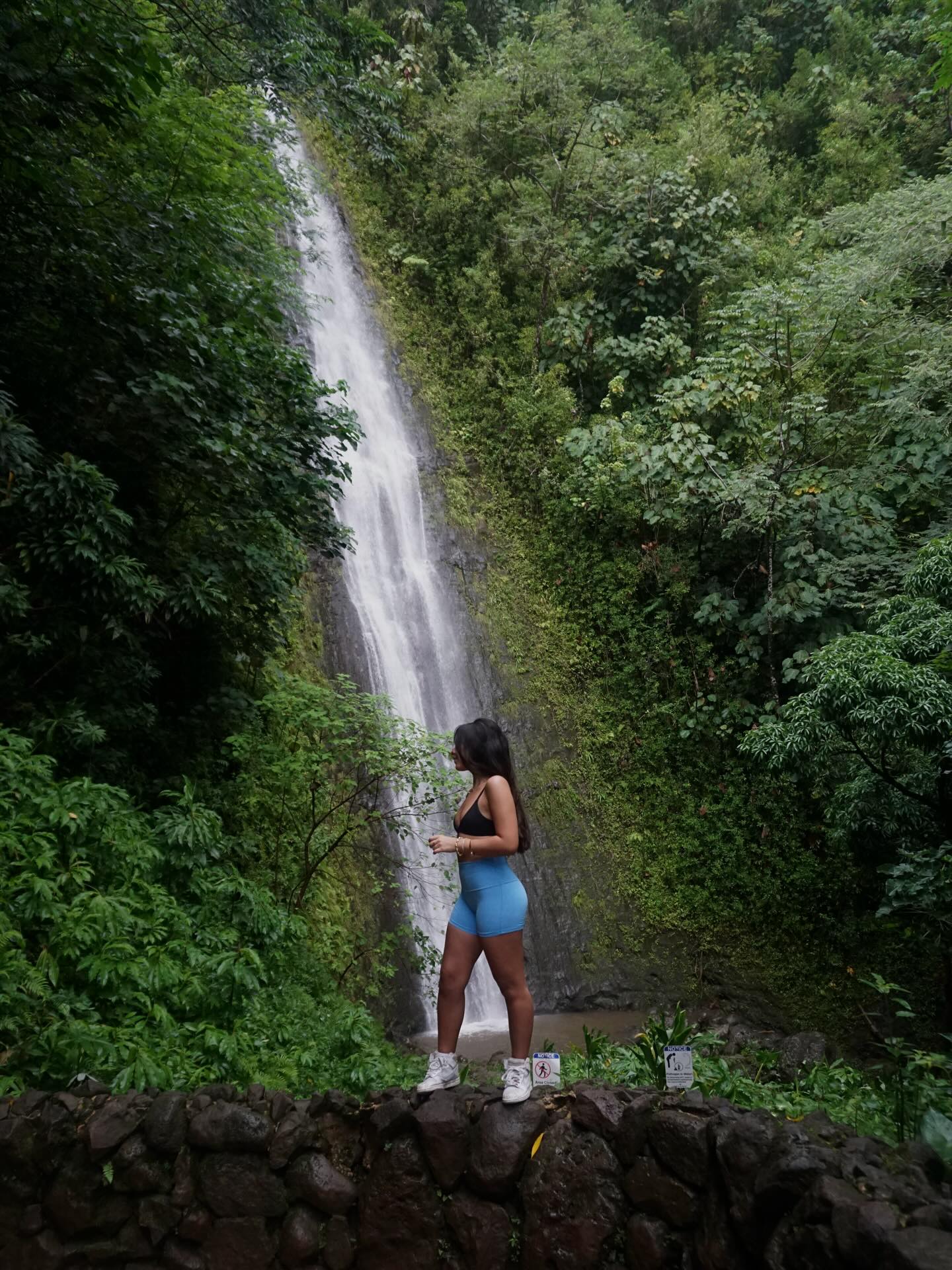
At the end of the 1.6-mile round-trip trail, a massive 150-foot waterfall plunges down a sheer rock face. The water flows into a mist-shrouded pool surrounded by dense tropical foliage. Visiting between November and March guarantees the most dramatic flow rather than a summer trickle.
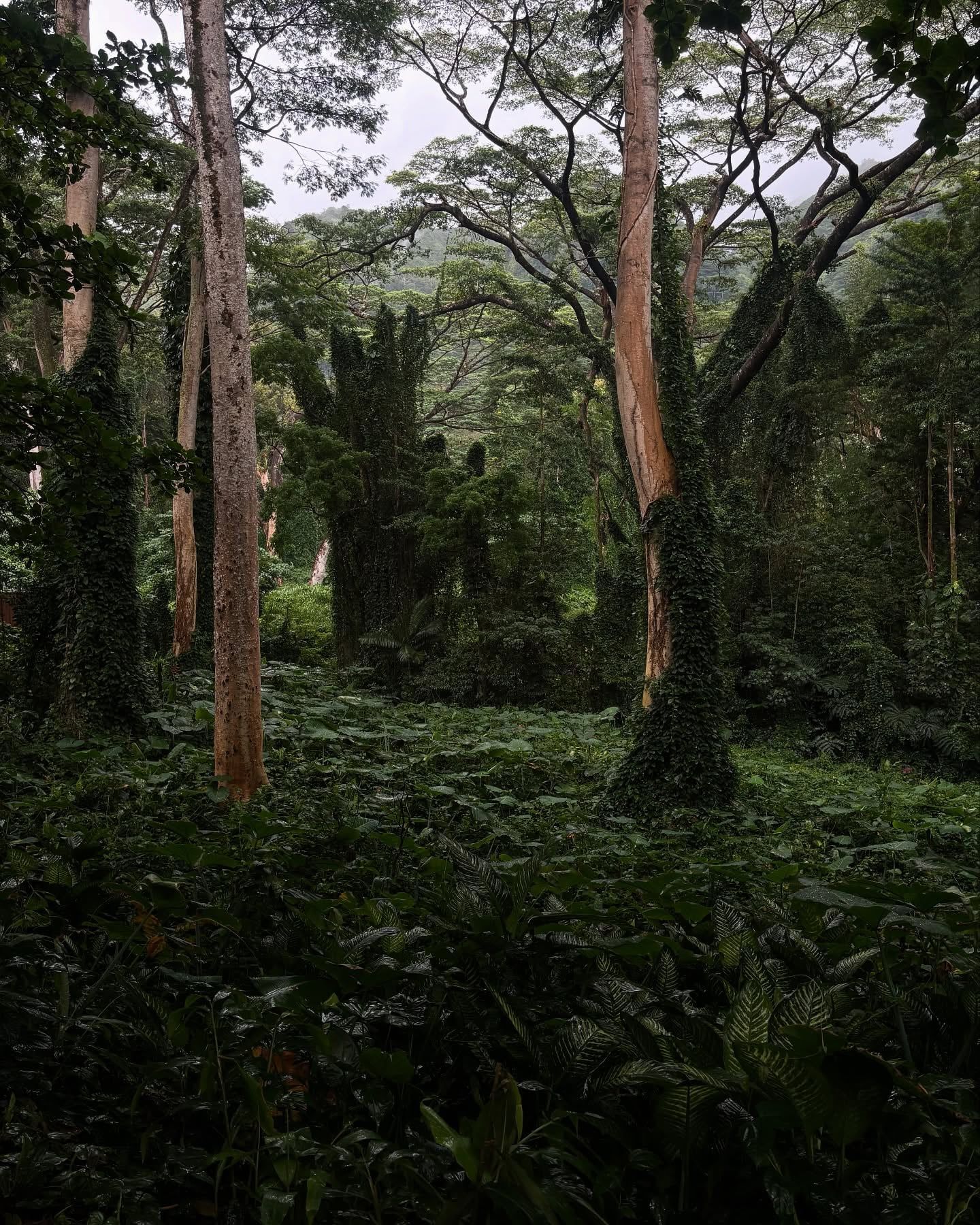
The trail winds directly through a dense forest of giant bamboo stalks. As the mountain breeze moves through the valley, the thick wooden stems clack quietly together. This creates a serene auditory backdrop that feels entirely removed from downtown Honolulu, which sits just five miles away.
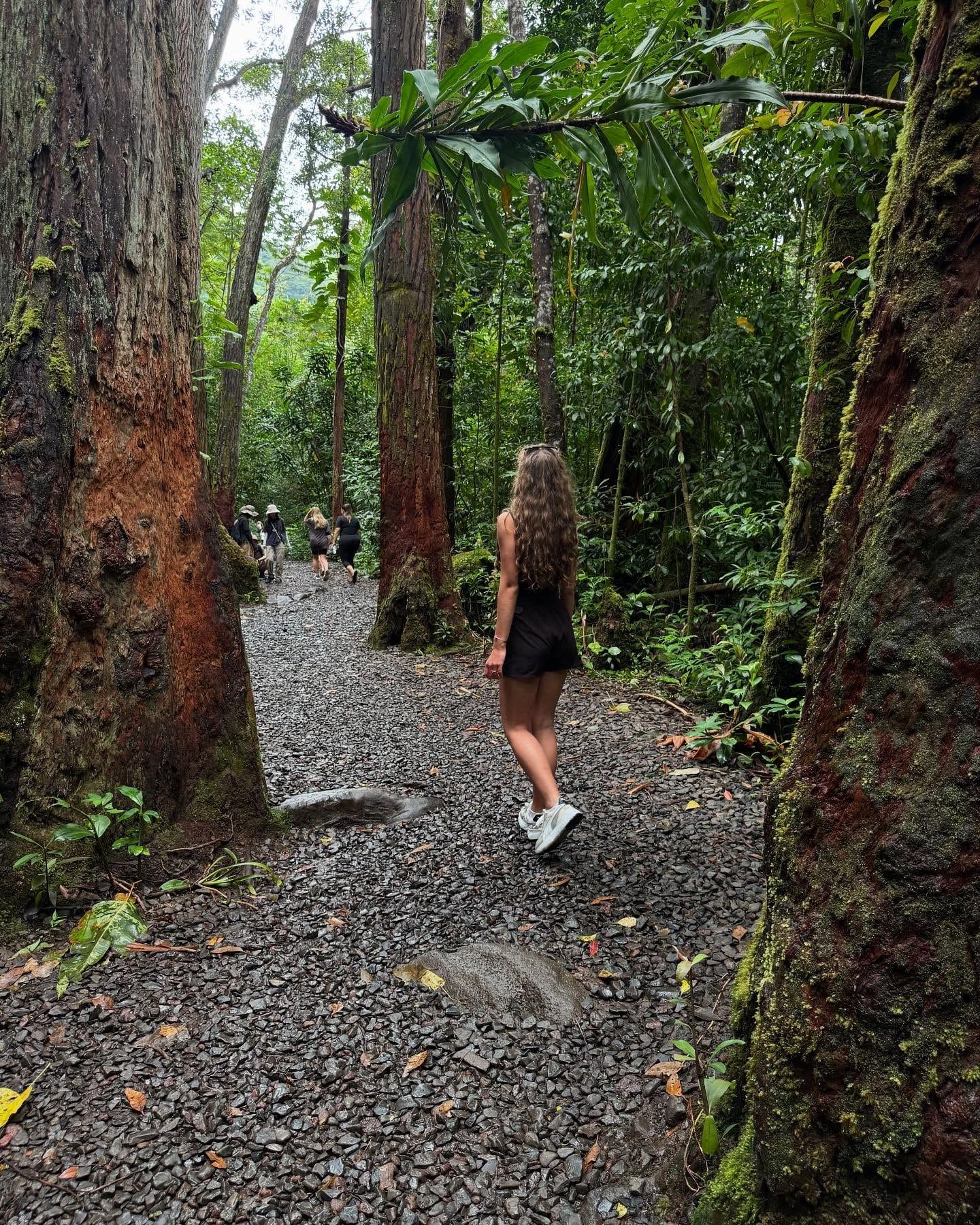
Hikers encounter massive banyan trees with sprawling aerial roots that form a dramatic overhead canopy. Shortly after crossing the initial footbridge, the path enters a grove of towering eucalyptus. The straight trunks provide excellent photo opportunities while their distinct aromatic scent fills the humid rainforest air.
This tropical rainforest ecosystem served as a prime shooting location for major productions like Jurassic Park and Catching Fire. Along the 800-foot elevation gain, hikers cross a modern container bridge over a rushing stream and can spot chestnut-colored Shama birds resting in the dense canopy.
Hand-picked tours with free cancellation and verified reviews
 Free Cancellation 3h 30min
  Free Cancellation 5h
  Free Cancellation 4h
  Free Cancellation 6h 30min
  Free Cancellation
  Free Cancellation 4h
 The optimal time to visit Manoa Falls is during the rainy season from November through March. Increased precipitation during these months guarantees the 150-foot cascade flows heavily, rather than dropping to a minimal trickle.
March concludes the peak rainy season, offering strong water flow. As the season progresses toward summer, precipitation decreases slightly, though the tropical rainforest environment remains predictably humid and wet.
These dry months frequently reduce the waterfall to a disappointing trickle. While the trail is less muddy, hotter and more humid weather makes the 800-foot climb feel significantly more strenuous.
Peak tourism continues into early fall with drier trails and minimal water flow. By November, the rainy season returns, bringing the heavy precipitation needed to restore the waterfall's dramatic cascade.
Consistent rainfall during these core winter months ensures the 150-foot waterfall flows at full capacity. The trail becomes highly muddy and slick, requiring sturdy footwear with deep lugs for safety.
The Manoa Falls Trail is open to the public daily from sunrise to sunset. The trailhead parking lot, located at Paradise Park, operates every day from 8:00 AM to 6:00 PM.
| Category | Price |
|---|---|
| Trail Entry (All Visitors) | Free |
| Standard Vehicle Parking | $7.00 |
| Military and Hawaii Resident Parking (with valid ID) | $4.00 |
Recreational hikers do not need permits or reservations. Visitors paying for parking with a credit card will incur a small surcharge. Alternatively, free parking is available in a residential neighborhood a 1/4-mile walk from the trailhead. Note that trail maintenance temporarily modified access hours in early 2026, but normal operations resumed on April 11, 2026.
For complete schedules and ticket prices, visit our Hours & Fees page.
Manoa Falls is located 5 miles from Waikiki in the southeast corner of Honolulu. Visitors can reach the trailhead by driving a personal vehicle or utilizing the local public transit system.
📍 Manoa Road, Honolulu, Oahu
Take any bus from Waikiki to the Ala Moana Shopping Center, such as Bus #8, 19, or 20. From there, transfer to Bus #5 heading toward Manoa. Ride the bus until you reach the stop at Manoa Road and Kumuone Street. After exiting the bus, you will need to walk approximately 0.8 miles up Manoa Road to reach the trailhead.
Driving from Waikiki takes a straightforward route covering five miles along the H-1 freeway. Eastbound drivers should take the Punahou Street exit 23, while westbound travelers must use exit 24. Continue on Punahou Street and bear left as it turns into Manoa Road. Follow this road past the five-way intersection directly into the Paradise Park trailhead lot.
Visitors looking to avoid parking fees can park their vehicles in the nearby residential neighborhood. Be sure to observe all local laws and avoid parking illegally along the short road just prior to the paid lot. From the legal residential parking areas, you will need to walk about a quarter mile to reach the trailhead. This alternative requires a short pedestrian commute but eliminates the standard vehicle charge.
For detailed transport options and routes, visit our Directions page.
The 1.6-mile round-trip trail remains wet and muddy throughout the year. Avoid wearing sandals or flip-flops that lack traction. Instead, choose sturdy trail runners or light hiking boots with deep lugs. Proper footwear prevents dangerous slips on the uneven, rocky terrain.
Aim to reach the trailhead between 7:00 AM and 8:00 AM to secure a spot before peak crowds arrive. The standard parking fee is $7 per vehicle, though military members and residents pay $4. Morning hikes also provide cooler, less humid weather for the 800-foot elevation climb.
Manoa Valley features a humid, tropical rainforest ecosystem that serves as a prime breeding ground for mosquitoes. You will encounter these insects throughout the hike. Apply a heavy coat of insect repellent before leaving the parking lot. Reapply as needed to prevent bites along the shaded path.
The valley receives high precipitation almost every day, leading to frequent and sudden downpours. Bring a dedicated waterproof dry bag or a simple zip-lock bag. This ensures your smartphone, camera gear, and other valuables remain dry. A light rain jacket is also highly recommended.
You will likely get dirty on this notoriously muddy route. Leave a clean towel and a change of dry shoes in your car trunk. After finishing the hike, utilize the water hoses located near the trailhead. These are provided specifically to rinse thick mud off your boots and legs.
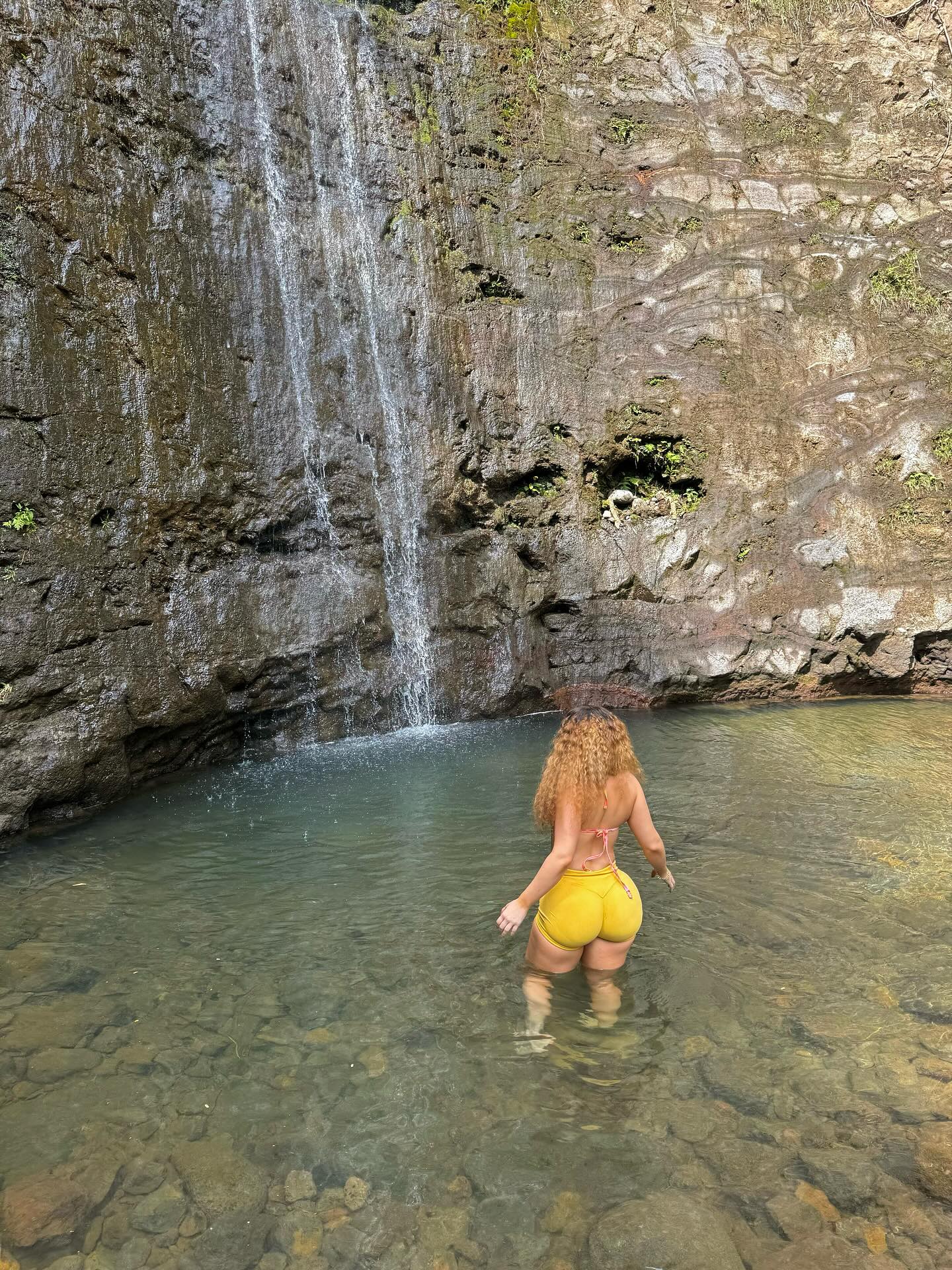
Swimming in the freshwater pool at the base of the 150-foot waterfall is strictly prohibited and illegal. The water carries Leptospirosis, a severe bacterial disease transmitted through animal urine. Additionally, the surrounding steep cliffs are highly unstable. Stay behind the protective rock wall to avoid sudden rockfalls.
This 200-acre botanical garden features over 7 miles of trails and 6,000 tropical plant species. It serves as a sanctuary for rare, endangered Hawaiian flora. The facility provides a quiet, educational extension to the waterfall hike.
This scenic viewpoint provides sweeping panoramas of Honolulu, Diamond Head, and the Pacific Ocean. It functions as an excellent location to watch the sunset. The park serves as a relaxing stop after navigating the rainforest.
This cultural site centers around a preserved ancient Hawaiian heiau, or stone temple, alongside a historic home. Guided tours detail the spiritual and agricultural history of Manoa Valley. The surrounding grounds feature various native plants.
Read what travelers share about their experience visiting Manoa Falls — from practical tips to personal highlights.
No reservations or permits are required for recreational hikers, and the trail is completely free to enter. If you plan to drive, parking at the trailhead lot costs $7 per vehicle, or $4 for military members and Hawaii residents with a valid ID.
The 1.6-mile round-trip trail takes most visitors between one and two hours to complete. Fast hikers can finish the 800-foot elevation gain in about an hour, while families or those stopping for photos should budget closer to two hours.
The trail itself is open daily from sunrise to sunset. However, the trailhead parking lot operates on a stricter schedule and is only open from 8:00 AM to 6:00 PM every day.
Take Bus 8, 19, or 20 from Waikiki to the Ala Moana Shopping Center, then transfer to Bus 5 heading to Manoa. You will exit at the Manoa Road and Kumuone Street stop, which leaves a 0.8-mile walk up Manoa Road to the trailhead. A single bus fare is $3.00.
Wear sturdy trail runners or light hiking boots with good grip. The path features rocky, uneven terrain that remains wet and muddy year-round, making sandals or flip-flops highly dangerous.
The trail is not accessible for wheelchairs or strollers due to its natural, rugged terrain. The path contains rocky areas, slippery surfaces, and steep steps without any ramps or specialized wheelchair services.
Swimming in the pool at the base of the 150-foot waterfall is strictly prohibited and violators have been fined. The water is contaminated with Leptospirosis bacteria, and the surrounding cliffs are highly unstable and prone to dangerous rockfalls.
The best time to visit is during the winter rainy season from November through March. Hiking during these wetter months ensures the 150-foot waterfall is flowing heavily, whereas the dry summer months can reduce the cascade to a trickle.
Browse verified tours with free cancellation and instant confirmation.
Find Tours