
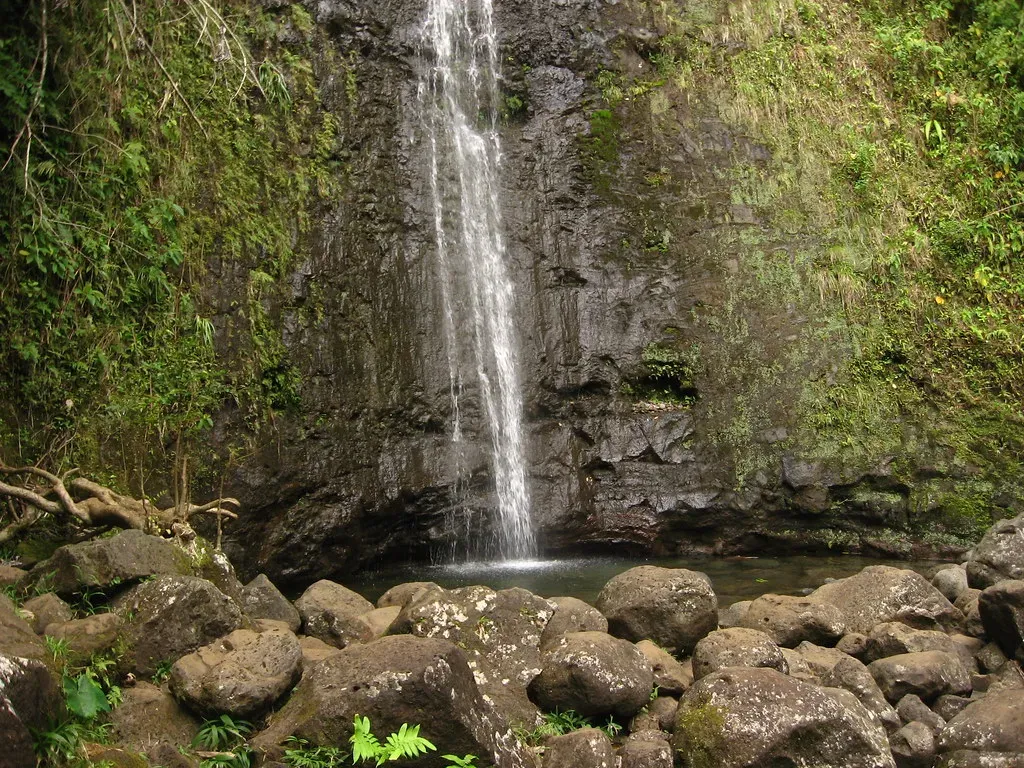
A 150-foot waterfall drops down a sheer basalt rock face in the Koolau Mountains, just five miles from downtown Honolulu. The 1.6-mile round-trip trail cuts through dense bamboo forests and ancient banyan groves.
150 feet of water plunges down a sheer rock face in the Koolau Mountains. Manoa Falls sits five miles from Waikiki, offering an immediate transition from urban Honolulu into a dense tropical rainforest ecosystem. The 1.6-mile round-trip trail climbs 800 feet over uneven, rocky terrain. Hikers pass through towering bamboo forests and ancient banyan groves before reaching the mist-shrouded pool at the base of the cascade. Frequent rain showers hit this valley almost daily. The resulting humidity feeds giant eucalyptus trees, native Hau plants, and Ekaha ferns. This constant precipitation earns the area the nickname "Rainbow Valley" and keeps the waterfall flowing.
Summer droughts can reduce the 150-foot drop to a mere trickle. Winter months from November through March guarantee the heaviest water flow and the most dramatic cascades. The trail demands proper footwear regardless of the season. Mud coats the rocks year-round, making sandals a major liability. Heavy downpours occasionally trigger flash floods, and the path lacks wheelchair or stroller access. Visitors park at the Paradise Park lot for $7, or walk an extra quarter-mile from the free residential street parking. Public transit provides easy access from Waikiki. Riders take Bus #8, 19, or 20 to the Ala Moana Shopping Center, then transfer to Bus #5 heading to Manoa. The bus drops passengers at the Manoa Road and Kumuone Street stop, requiring a 0.8-mile walk up Manoa Road to reach the trailhead.
The trailhead opens daily from 8:00 AM to 6:00 PM. Early arrival around 7:00 AM secures street parking and avoids the heaviest crowds. The hike takes one to two hours to complete, depending on trail conditions and photography stops. Just a one-minute walk from the trailhead sits the Harold L. Lyon Arboretum. This 200-acre botanical garden features over 7 miles of additional hiking trails and 6,000 tropical plant species. Bring a waterproof bag for electronics, as sudden downpours occur without warning.
Volcanic eruptions formed the Koolau Mountains, creating the steep, saw-tooth ridges of Manoa Valley. Thousands of years of steady stream erosion carved the 150-foot vertical drop that defines the waterfall today. The resulting basin collected heavy daily rainfall, establishing a dense rainforest ecosystem. This constant water flow shaped the deep gorge and deposited fertile soil across the lower valley floor. The geological structure remains highly unstable. Steep cliffs surrounding the waterfall frequently shed debris, causing sudden rockfalls and landslides.
Native Hawaiians established early trails through this valley to hunt, gather, and bathe. They cultivated taro in the fertile lower lands and utilized the upper forest resources. Gatherers harvested wood to carve canoes, stripped bark to weave sandals, and extracted sap for medicinal treatments. The waterfall itself represented a physical boundary between the agricultural settlements below and the sacred mountain peaks above. Ancient Hawaiians considered the upper valley a realm of gods and supernatural beings.
Western settlers arrived in the 19th century and initiated development across the valley floor. Rising tourism in the early 20th century prompted the creation of a formal scenic trail to the falls. Decades of heavy foot traffic and frequent rain severely eroded this path. The clay soil turned into deep mud pits, and the original wooden bridges began to rot. Safety concerns grew as the number of daily visitors increased.
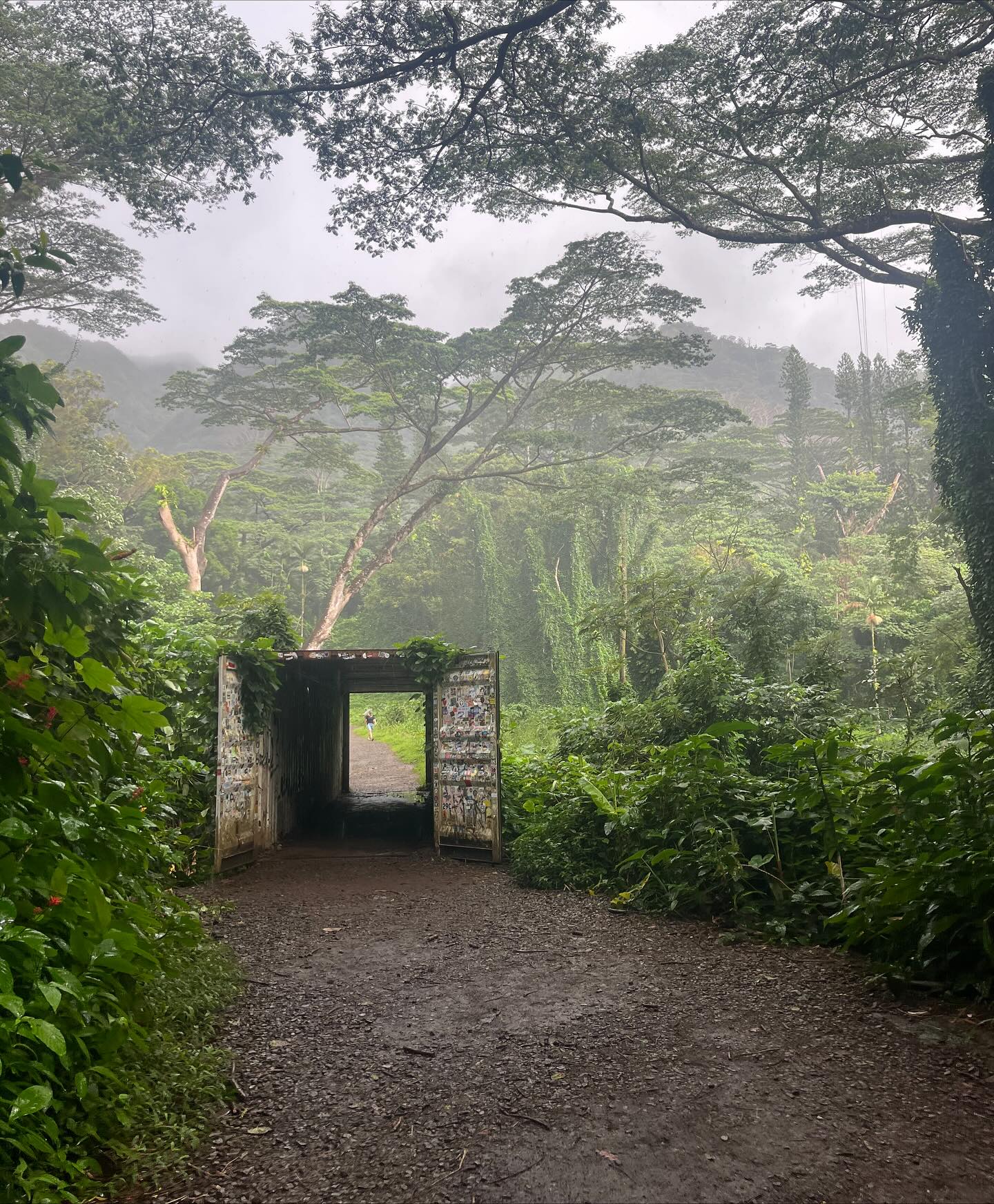
In 2019, the Department of Land and Natural Resources launched a major reconstruction project. Crews hardened the trail surface, installed a modern container bridge over the stream, and reinforced steep sections to mitigate slip hazards. Workers added gravel to the muddiest sections and built new steps into the steepest inclines. The project concluded in 2021, significantly improving safety for recreational hikers. Trail maintenance still requires occasional closures, so check the official state park website before driving to the trailhead.
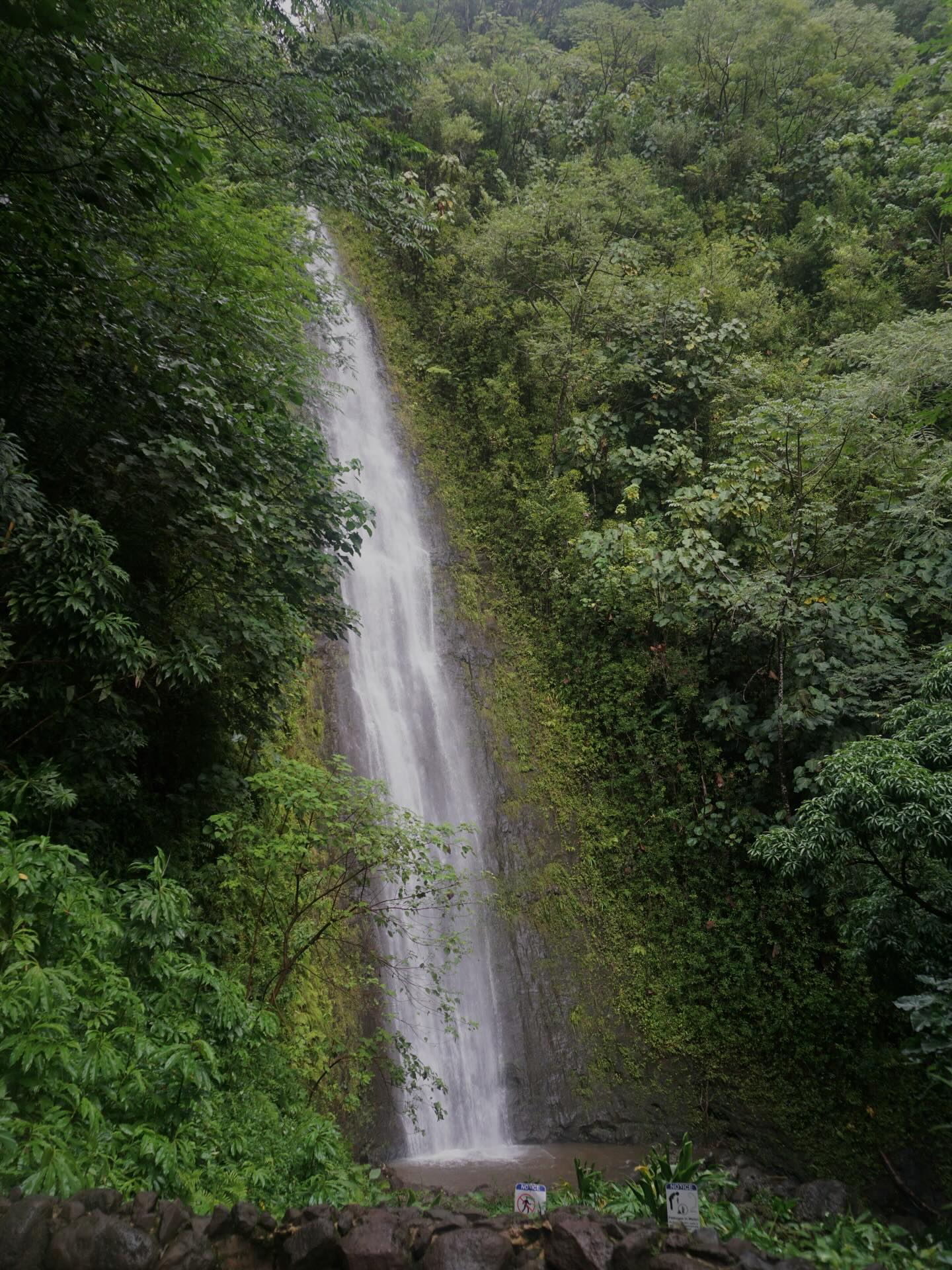
The 150-foot waterfall drops vertically down a sheer basalt cliff face. Water empties into a small, shallow pool surrounded by a protective rock wall and viewing cable. The Koolau Mountains enclose the site with deep valleys and saw-tooth ridges, trapping moisture and generating almost daily rainfall. This high precipitation sustains a thick canopy overhead, blocking out direct sunlight and keeping the trail damp. The elevation gain hits 800 feet over the 0.8-mile ascent, creating a gradual but persistent uphill climb. The trail surface consists of jagged rocks, exposed tree roots, and slick clay. Frequent rain showers make these surfaces extremely slippery, posing a major slip-and-fall hazard that can cause sprained or fractured joints.
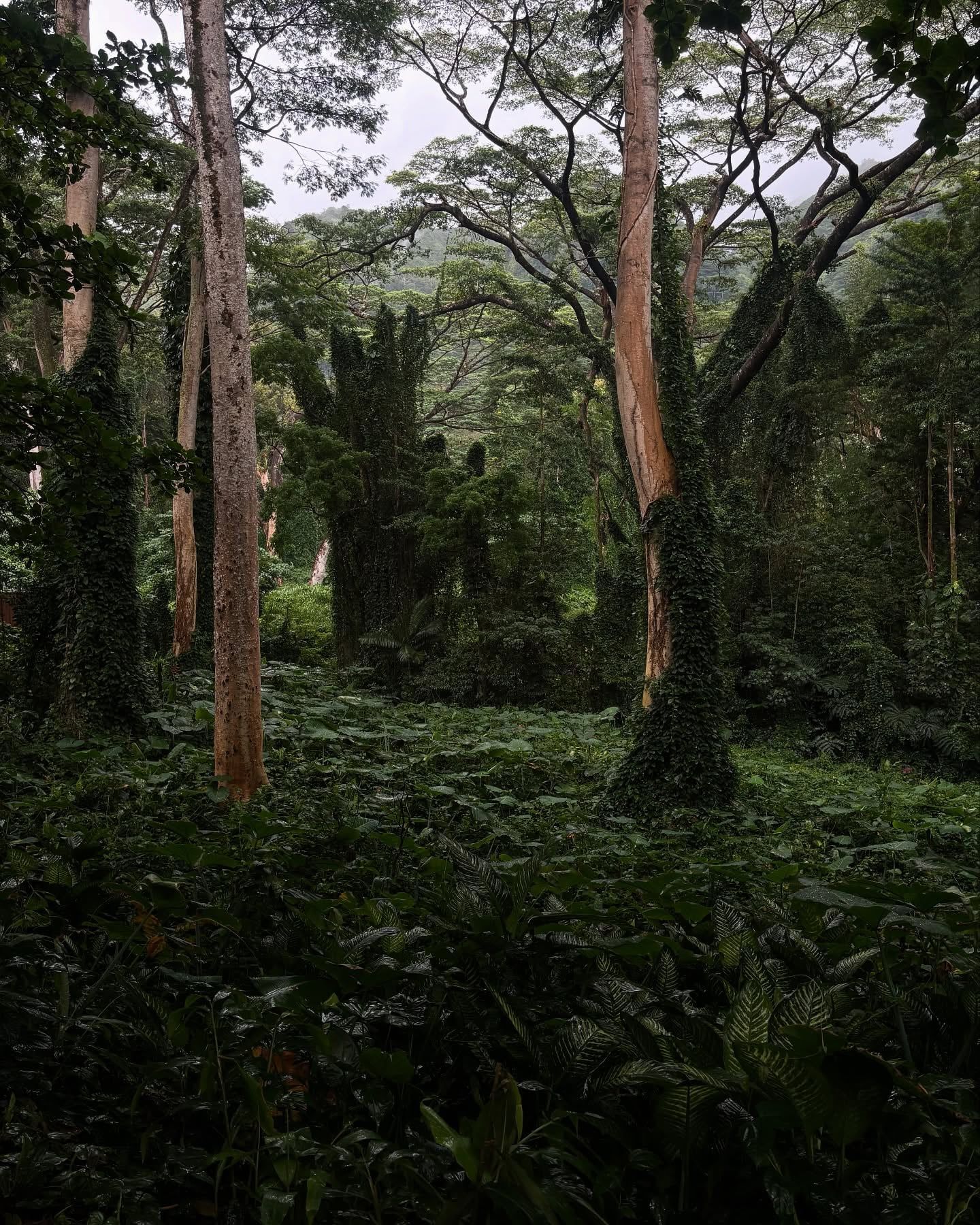
Giant banyan trees dominate the lower section of the trail. Their sprawling aerial roots drop from heavy branches, anchoring into the muddy soil and creating natural archways. Further up the path, a grove of towering eucalyptus trees lines the route. The straight, pale trunks rise dozens of feet into the air, filling the canyon with a sharp, medicinal scent. A modern container bridge spans the rushing stream. This sturdy structure replaced an older wooden bridge, providing a safe and highly photogenic crossing point above the water. Near the waterfall, the vegetation shifts to a dense bamboo forest. Giant stalks clack together in the wind, dropping dry leaves onto the rocky path.
Native plants like Hau, Mamaki, and Ekaha ferns grow thickly along the stream banks. Chestnut-colored Shama birds navigate this underbrush, identifiable by their black and white tails and distinct songs. Hikers frequently spot these exotic species darting between the branches. Bring insect repellent, as the stagnant water and high humidity breed thick swarms of mosquitoes. The pool at the base of the falls contains Leptospirosis bacteria. This disease transmits through animal urine in the freshwater stream, causing severe flu-like symptoms. Swimming or wading in the water is strictly prohibited and highly dangerous. Use the water hoses near the trailhead to rinse the thick mud from your boots before getting back in your vehicle.
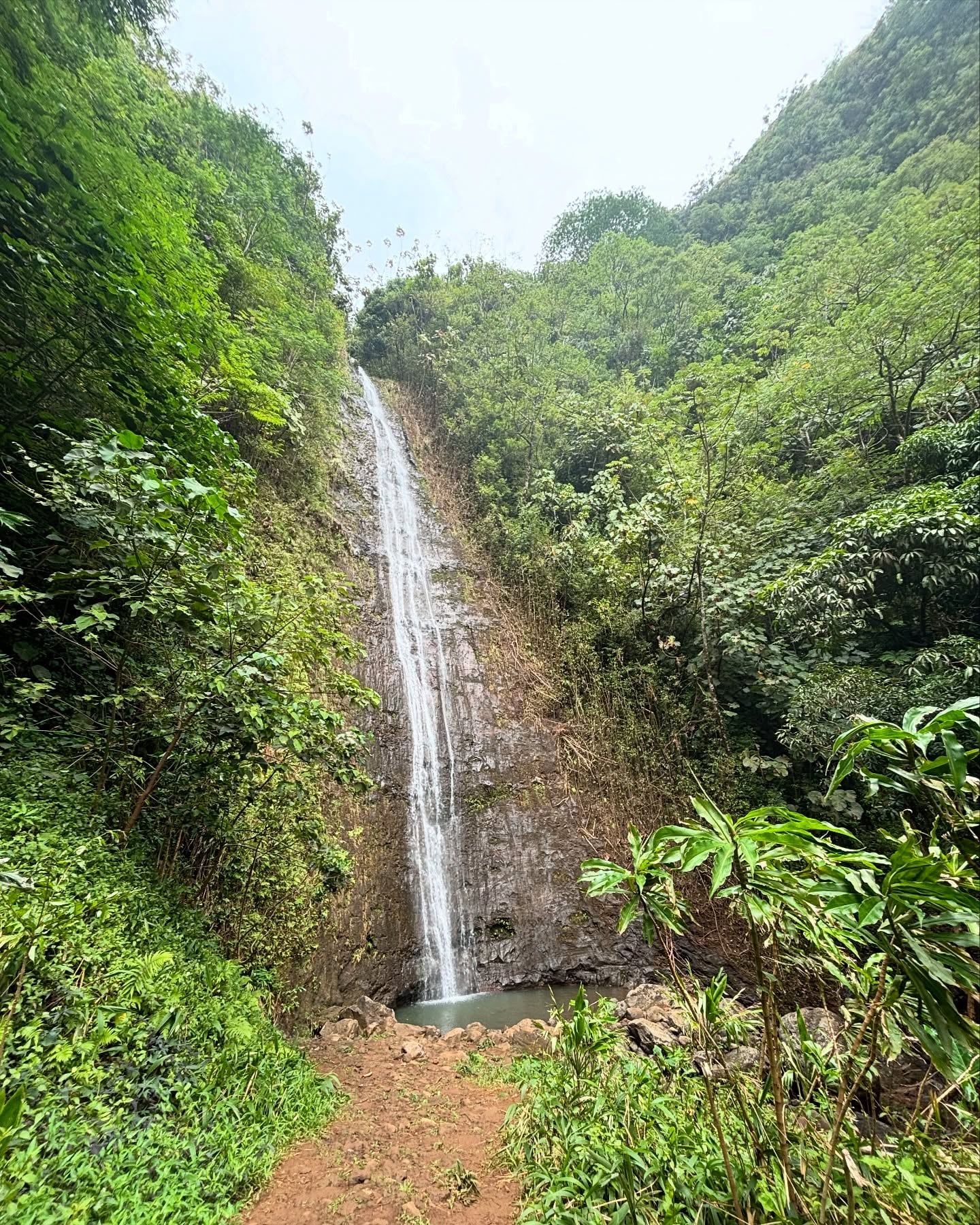
Ancient Hawaiians viewed Manoa Valley as a sacred space. They believed gods and supernatural beings inhabited the dense forests and mist-covered ridges. The waterfall functioned as a doorway to the divine, connecting the physical world to the spiritual realm. Native Hawaiians practiced "kuleana" (responsibility) here, taking only what they needed for survival and leaving minimal impact on the land. Visitors today must respect this tradition by staying on the marked path and packing out all trash. The concept of kuleana extends beyond basic respect for the land. It involves a deep, generational commitment to preserving the natural resources for future inhabitants.
The valley floor supported extensive taro cultivation, a staple crop central to the Hawaiian diet and creation mythology. The water flowing from Manoa Falls fed these agricultural terraces, sustaining the local population for centuries. Today, the Manoa Heritage Center preserves a nearby heiau (stone temple) and a historic home surrounded by native plants. Guided tours at the center explain the area's spiritual and agricultural roots, located just a five-minute drive from the trailhead. A ten-minute drive from the falls sits the Mu Ryang Sa Buddhist Temple. This traditional structure offers a quiet environment for meditation in the heart of the valley. Visitors participate in weekly meditation sessions to relax their minds after hiking through the damp forest.
The prehistoric aesthetic of the valley catches the attention of global media. Hollywood location scouts frequently utilize the bamboo groves and banyan trees. Film crews shot scenes for Jurassic Park, Catching Fire, and Aquaman along this exact trail. Television series like Lost and Hawaii Five-O also filmed episodes in the surrounding rainforest. Commercial filming requires a permit from the Hawaii Film Office and strict adherence to environmental protection rules. Drones, helicopters, special effects, and simulated gunfire are strictly prohibited under the standard DLNR permit. Commercial photographers and social media influencers must obtain a license from the university if filming on adjacent administered properties.
The dense bamboo forests and banyan trees appear in Jurassic Park, Catching Fire, and Aquaman.
Manoa Valley experiences near-daily rainfall, creating frequent rainbows that earned the area its colorful nickname.
Swimming in the waterfall pool is illegal due to Leptospirosis, a severe bacterial disease found in the water.
A modern shipping container bridge was installed in 2021 to provide a safer crossing over the stream.
Hikers frequently spot the chestnut-colored Shama bird, known for its black and white tail and melodic song.
Just a one-minute walk from the trailhead sits a 200-acre botanical garden with 6,000 tropical plant species.
The trail's slick clay and jagged rocks make sandals a major slip hazard, requiring trail runners or hiking boots.
No, swimming is strictly prohibited. The water contains Leptospirosis bacteria, and the surrounding cliffs are prone to sudden, dangerous rockfalls.
The hike itself is free. Parking at the Paradise Park trailhead lot costs $7 per vehicle, or $4 for military members and Hawaii residents.
The 1.6-mile round-trip trail takes 1 to 2 hours to complete. Fast hikers can finish in an hour, while families should budget up to two hours.
Leptospirosis is a bacterial disease transmitted through animal urine in freshwater streams. It causes severe flu-like symptoms and is present in the pool at the base of the falls.
The trail is rated easy-to-moderate with an 800-foot elevation gain. The primary challenge is the rocky, muddy terrain that makes footing slippery year-round.
The rainforest has served as a backdrop for Jurassic Park, Catching Fire, and Aquaman. Television shows like Lost and Hawaii Five-O also filmed scenes here.
Restrooms and a small cafe are located near the parking lot entrance at Paradise Park. Visitors can buy snacks and cold drinks before starting the hike.
The Paradise Park parking lot operates daily from 8:00 AM to 6:00 PM. Parking along the short access road prior to the lot is illegal.
The trail remains open during mild rain, but the clay soil becomes extremely slick. Heavy rains can trigger flash floods, requiring immediate evacuation.
The trail is not wheelchair or stroller friendly. The path consists of uneven rocks, steep steps, and deep mud that present major mobility obstacles.
Browse verified tours with free cancellation and instant confirmation.
Find Tours